A+ Quarterly Review: Why We Do It, and What It Really Changes
In a growing company, it is easy to get caught up in day-to-day operations. Weeks go by quickly, projects move forward, and urgent matters take up space. And sometimes, without realizing it, we risk losing sight of the bigger picture.
That is one of the reasons why we hold our quarterly review at A+.
It is not a perfect event, nor a communication exercise meant to make us look good. Above all, it is a moment we create for ourselves to step back, take an honest look at where we stand, put priorities back into perspective, and make sure we are moving together in the same direction.
A Simple but Important Moment
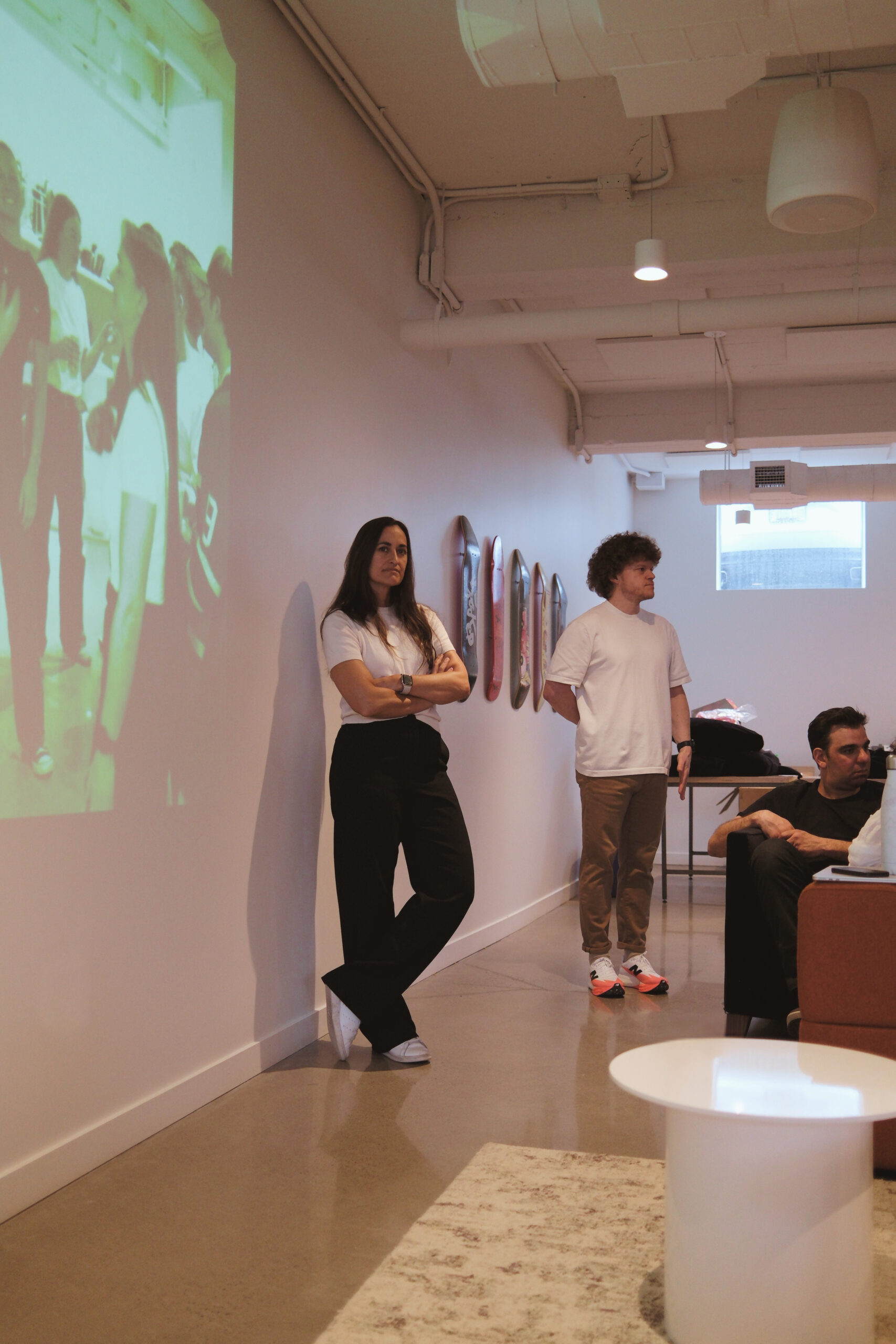
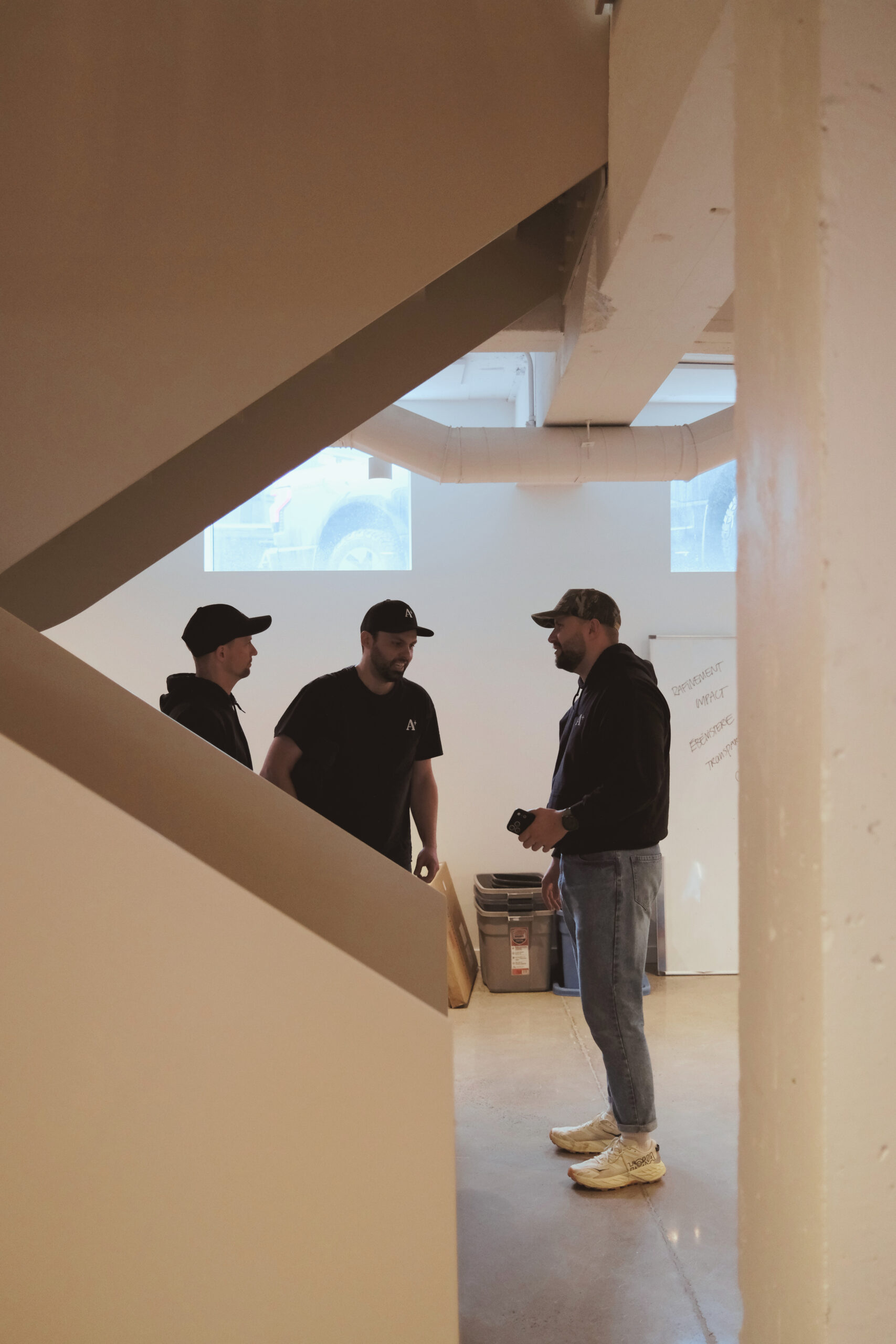
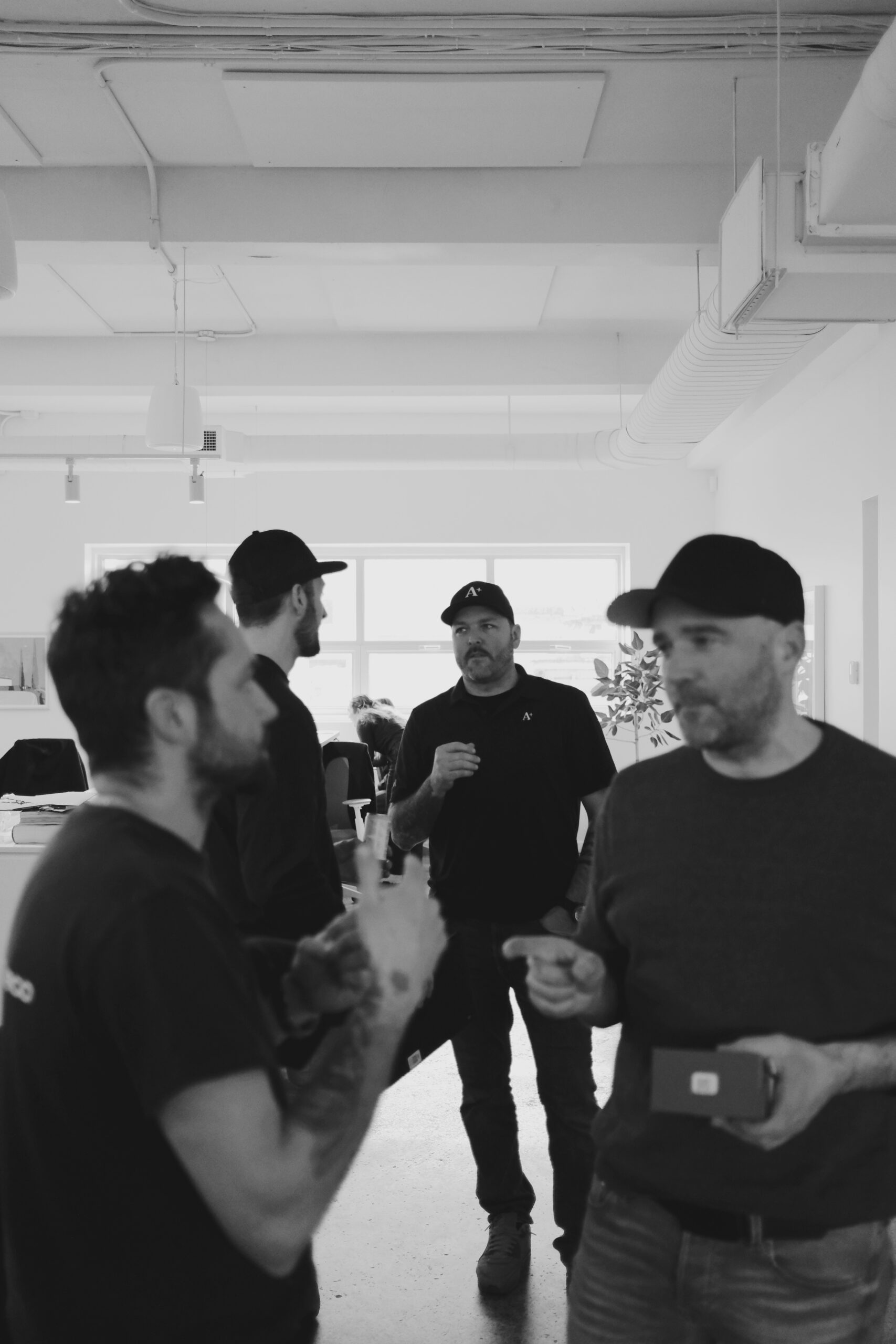
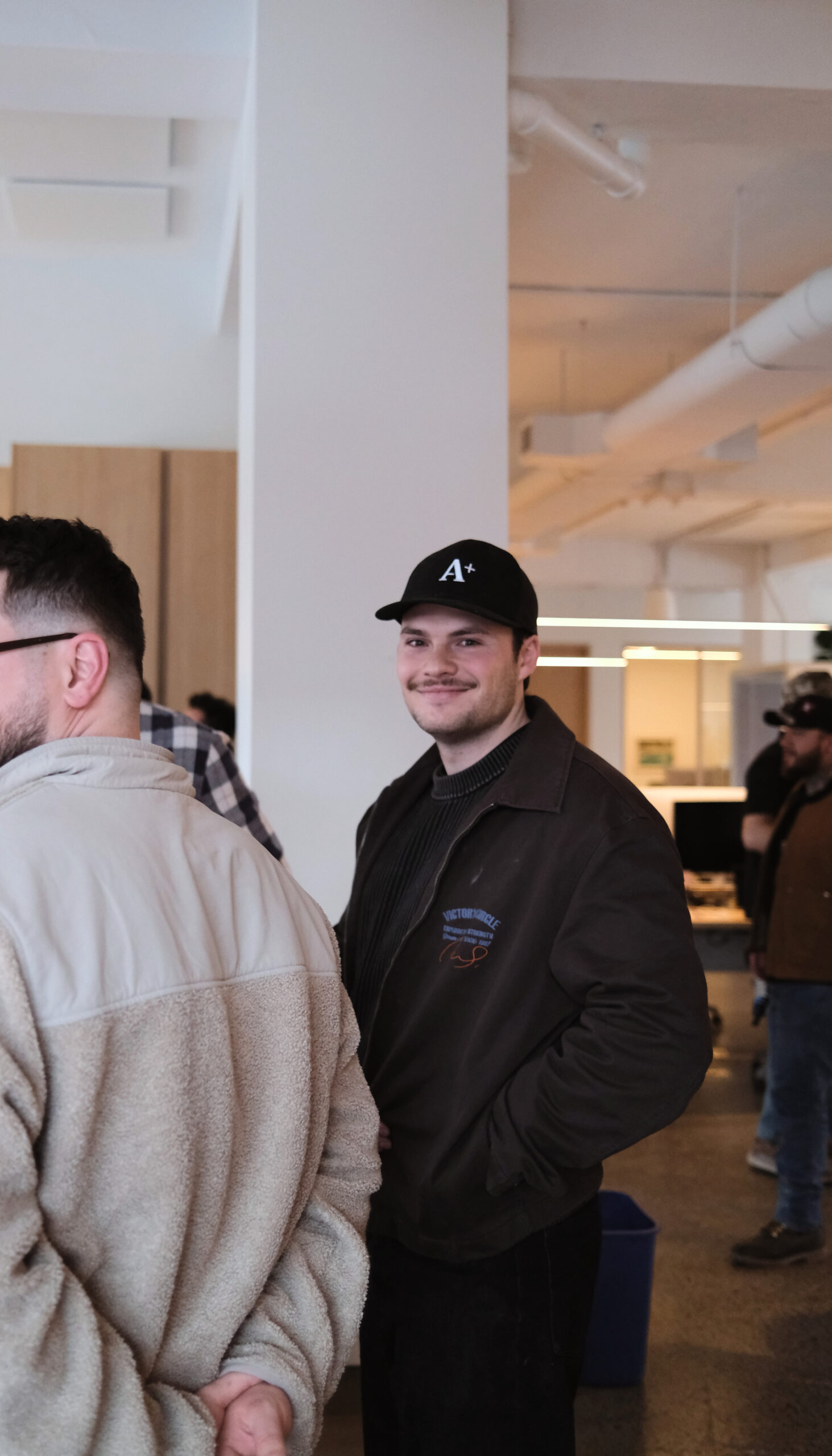
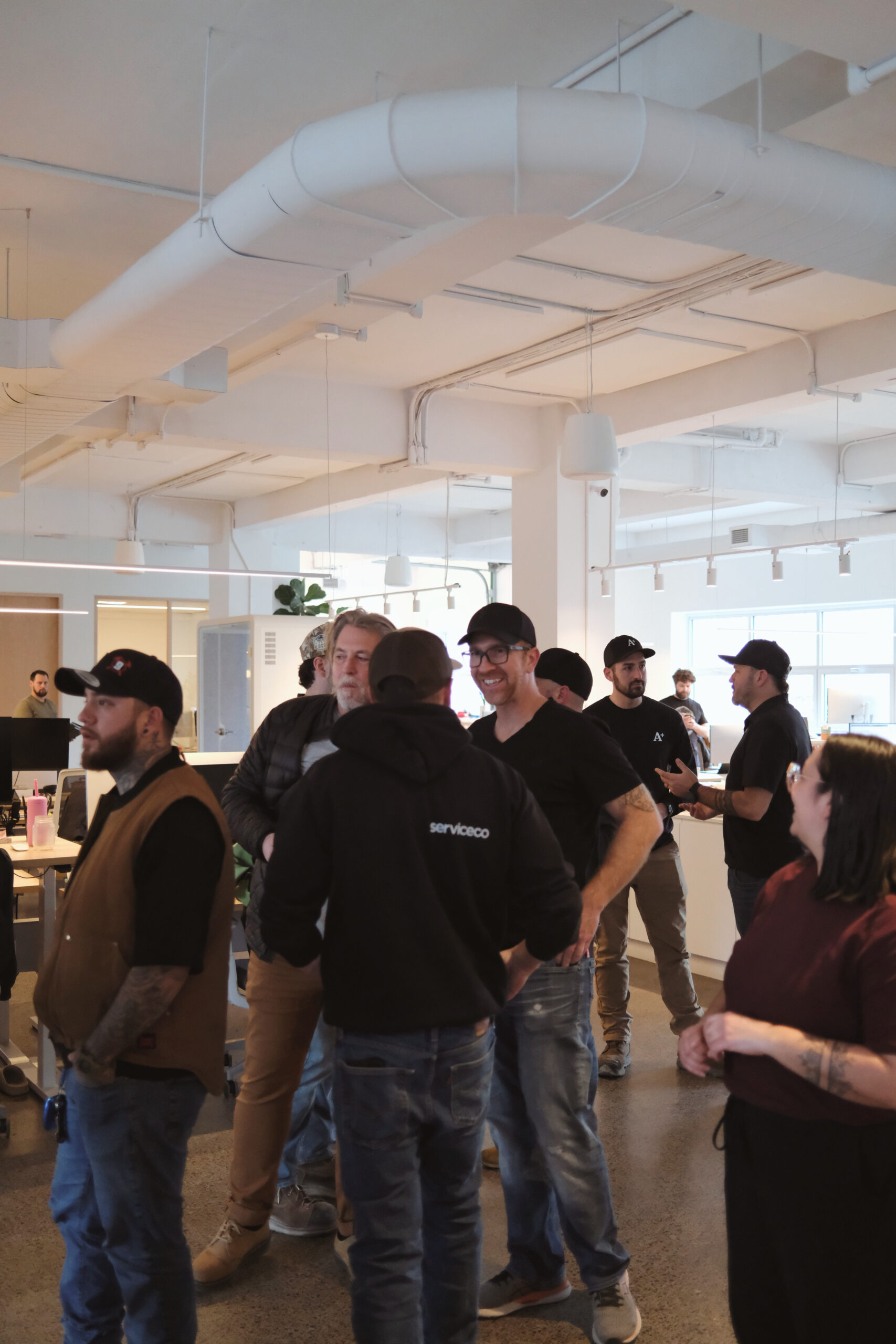
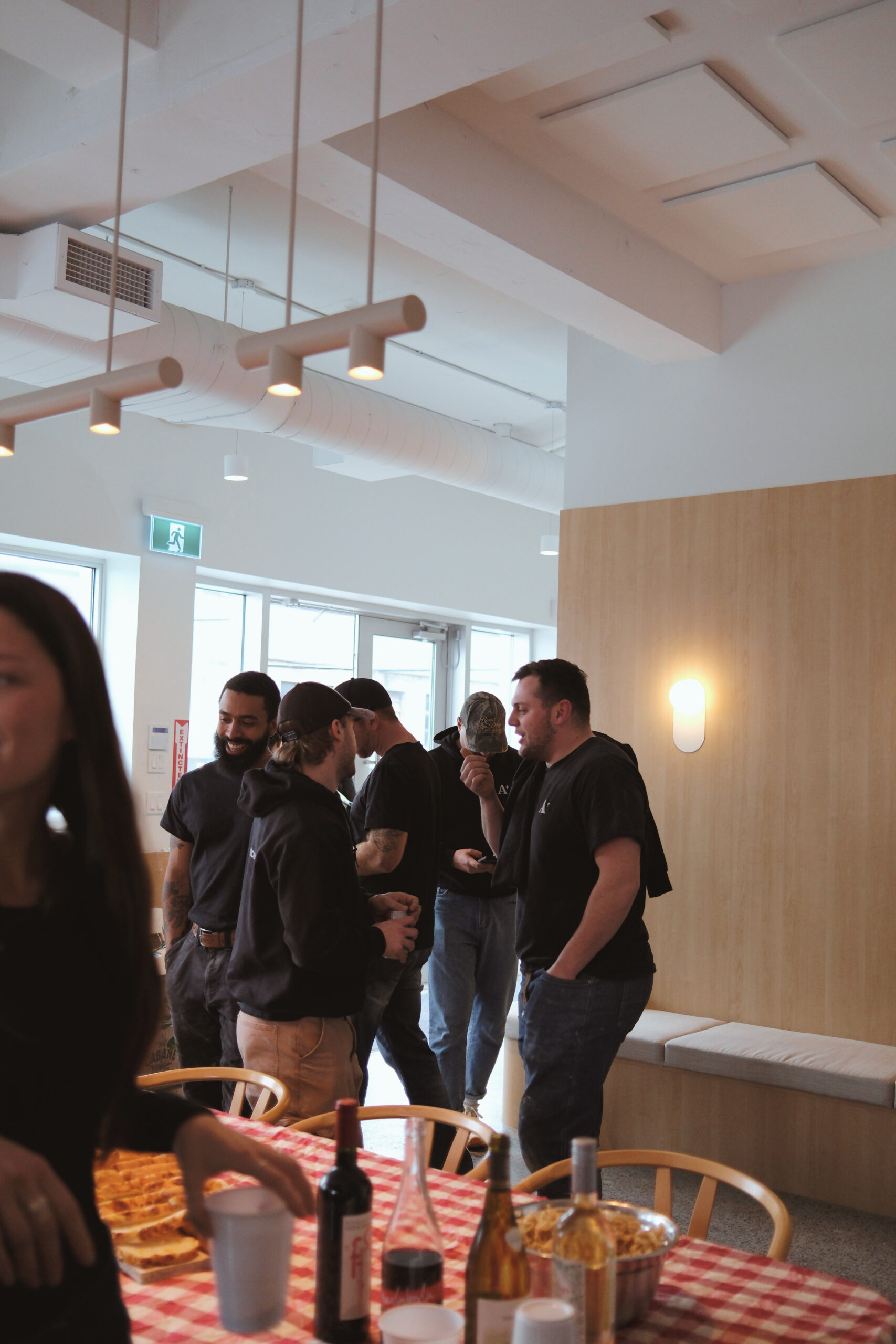
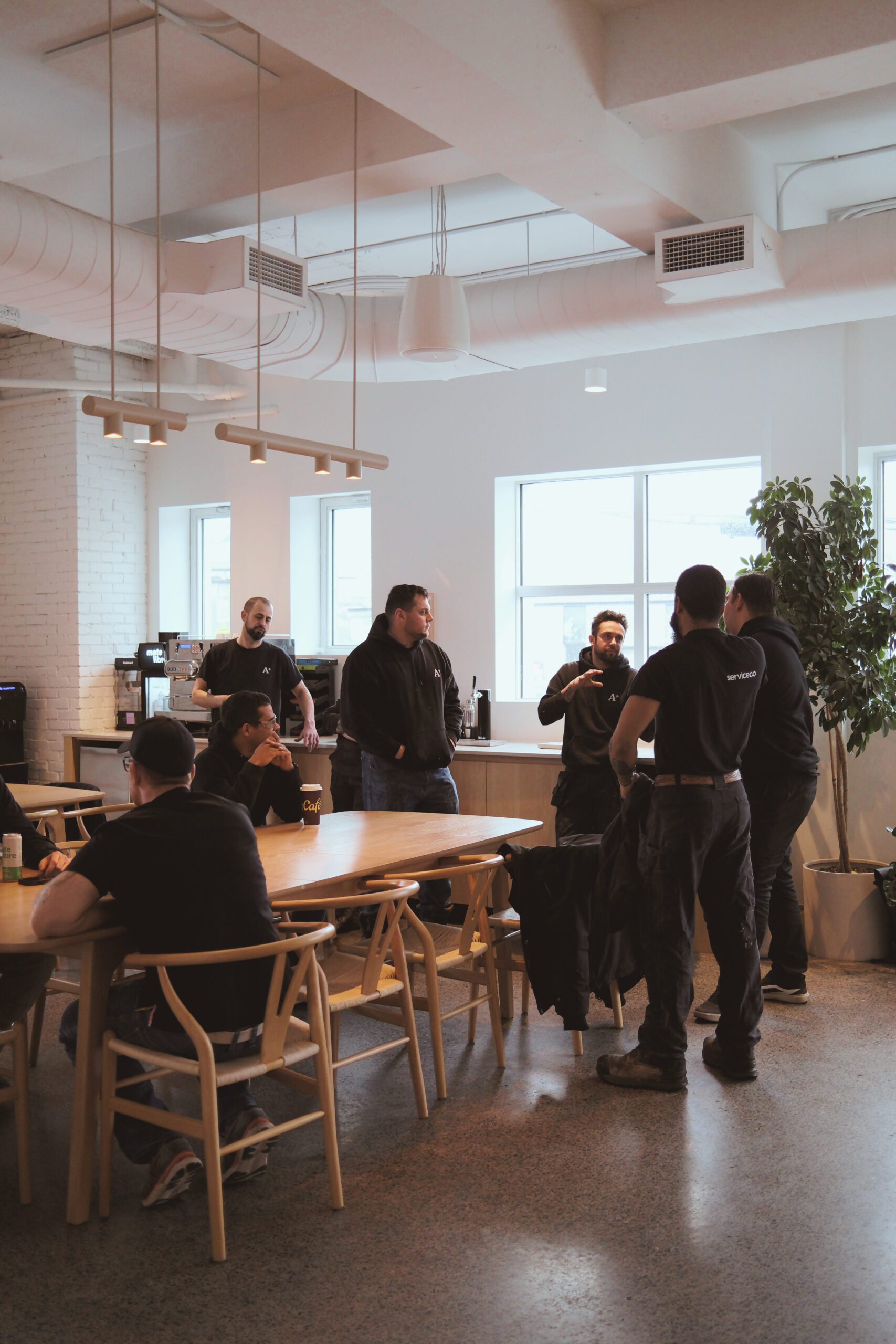
Every quarter, we bring together our office and site teams.
We begin by welcoming new people. We applaud them, simply. It may seem like a small gesture, but for us, it is a concrete way to recognize those who are joining the journey and to remind ourselves that behind the projects, deliverables, and objectives, there are first and foremost people.
In an organization where several realities coexist, this shared moment matters. It helps create connections, build a better understanding of what other teams experience, and strengthen a common sense of belonging.
Taking the Time to Talk About What Matters
During our town halls, we cover several topics:
〉the welcome message and good news,
〉the quarter’s financial results,
〉completed and ongoing projects,
〉strategic pillars,
〉featured positions,
〉important announcements,
〉upcoming training sessions,
〉and questions from the team.
Put that way, it may sound fairly simple. And in a sense, it is. But this recurring meeting has value because it forces us to name things clearly.
We talk about what is going well, of course. But we also try to talk about what is more difficult, what is slowing down, and what needs adjustment. We try to speak honestly, with respect. It is not always comfortable, but we believe it is more useful than letting things go unsaid.
An Execution Ritual, Not Just an Information Update
Over time, we have come to understand that a useful quarterly review is not only about informing people. It is about realigning.
It allows us to review the quarter, bring key issues back to the table, clarify what deserves our attention, and better understand who is responsible for what. In other words, it helps us turn a large amount of information into something more useful: context, priorities, and shared responsibility.
This matters to us because we want to foster autonomy. But autonomy does not mean everyone moving forward in their own corner. It requires clarity: well-understood objectives, shared responsibilities, and a framework strong enough to allow everyone to make good decisions.
This vision is inspired in part by Netflix’s culture, often summarized by the idea of giving teams more freedom while expecting a high level of individual responsibility. Their approach reminds us that an autonomous team is not a team without a framework: it is a team that knows where it is going, why it is going there, and how to contribute with judgment.
A Culture That Shows Up in Practice
Our values speak, among other things, to agency, collaboration, adaptability, determination, and courage. Of course, as in many companies, the challenge is not only to write them down. The real work is trying to bring them to life in reality.
The quarterly review is one of the places where these values take shape.
Agency, when we clarify responsibilities and give everyone the context they need to act.
Collaboration, when we share information more openly between teams.
Adaptability, when we acknowledge what needs to change instead of clinging to what was planned.
Determination, when we look at the progress made and what remains to be done.
Courage, when we agree to name the issues, even when the conversation is less simple.
We do not get it perfectly right every time. But that is exactly why this kind of meeting exists: to come back to what matters, adjust, and keep learning.
Aligning Daily Work With the Direction We Want to Take
Our quarterly discussions also allow us to reconnect daily work with the company’s broader priorities. Our strategic priorities include talent density, digital transformation, controlled growth, and ESG. These directions can feel broad if they remain only in a presentation or a document.
The role of the quarterly review is precisely to make these priorities more concrete.
〉Which projects have moved forward?
〉What learnings have emerged?
〉What deserves more attention next quarter?
〉Where do we need to adjust our efforts?
It is not a magic formula. But it is a very concrete way to prevent strategy from remaining theoretical while the field moves forward on its own.
What It Really Changes
Looking back, what we notice is not only that people are better informed.
〉There is often more clarity about what truly matters.
〉More transparency about the real situation.
〉More understanding between teams.
〉And, often, a greater ability to move forward with coherence.
This kind of ritual does not solve everything. It does not replace judgment, close conversations, or daily work. But it helps us do all of that better.
And in a company that wants to grow without losing its coherence, that is not secondary.
Why We Are Talking About It Publicly
We are not sharing this to pretend that we have found a perfect recipe.
Rather, it is because we believe our way of working deserves to be shown as it is: with ambition, yes, but also with lucidity. With a desire to do things well, while knowing that we are still learning.
For candidates, it is a way to see more concretely what our culture looks like day to day.
For our partners, it is also a way to show how we try to maintain alignment, transparency, and execution quality as we grow.
Ultimately, our quarterly review is not there to give the impression that everything is under control. It is there to help us better understand where we stand, communicate better with one another, and move forward more responsibly, together.